Family Care Centers is now MemorialCare Medical Group. Call us 24/7 at (877) 696-3622 or visit memorialcare.org/providers for more info.

Dr. Bunten is originally from Huntington Beach, CA. He attended high school in Tokyo, Japan, went to college at UC San Diego and then to medical school in the Midwest. He returned home to California for residency training in Family Medicine at Long Beach Memorial Medical Center. His immediate family all reside in Huntington Beach.
Dr Fishbein has been in the practice of family medicine for over 35 years in Irvine. He received his undergraduate degree from Southern Illinois University, medical degree from Chicago Medical School, and completed his family medicine residency at Memorial Hospital of Long Beach.
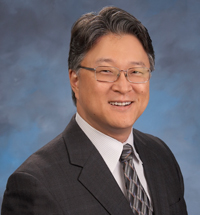
Dr. Kim is the Medical Director of Family Care Centers, Chair of the Department of Family Medicine at Hoag Hospital, and a recipient of the Physicians of Excellence award from the Orange County Medical Association. He is Board Certified in Family Medicine, and has been practicing in our community for over 20 years.
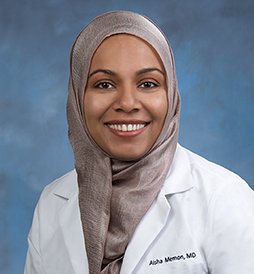
Dr. Memon is a board certified Family Medicine physician and recently completed her fellowship in Geriatrics at the University of California, Irvine Medical Center. She attended Saint George’s University, School of Medicine and completed her residency at Arrowhead Regional Medical Center. Her interest in medicine started at an early age and has since evolved into a passionate career.
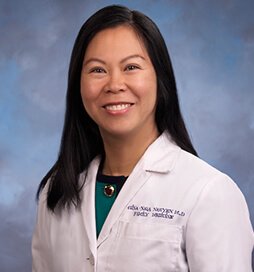
Dr. Gina Nguyen obtained her Bachelor of Science degree in Biology at UC Irvine where she graduated Suma Cum Laude. She went to USC Keck School of Medicine, and returned to UC Irvine for a Family Medicine Residency. Since 2005, she worked at Kaiser Permanente, VNCOC, and Family Care Center Urgent Care.
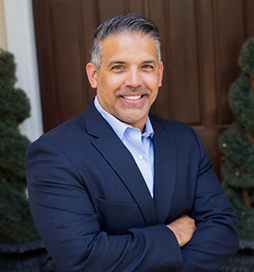
Dr. Williams is Board Certified in Family Medicine and Sports Medicine. He is a native to Orange County and returned home after completing his medical degree at the University of New Mexico, Albuquerque. After completing his residency in family practice he successfully completed a fellowship in sports medicine.
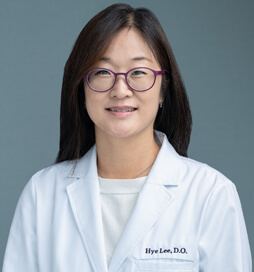
Dr. Hye Lee is a board-certified Family Practice Physician, affiliated with the American Osteopathic Association and the American College of Osteopathic Family Practice.She obtained her Bachelor of Science degree in Biology at UC Riverside and earned her medical degree from Des Moines University Osteopathic Medical Center. Afterward, she did her internship at Downey Regional Medical Center in California and has been a primary care physician since 2005.
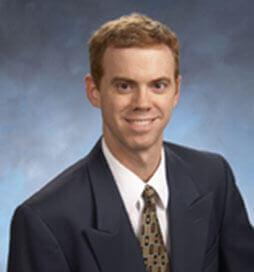
Dr. Coyne is a board certified family practice physician and a California native. He completed his undergraduate degree at UCLA before earning his medical degree at George Washington University in Washington, D.C. Dr Coyne spent 6 years in the US Air Force at Andrews and Luke Air Force bases, eventually separating as a Major. He enjoys working with patients of all ages.”
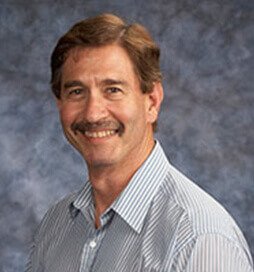
Dr. Jay Friehling is a Family Practice physician who has worked in Orange County since 1981. Born in Florida, he received his undergraduate degree from Cornell University and then earned a Medical Degree at the New York Medical College.” His healthcare interests include Diabetes, Geriatric Care, and Hospice Care.
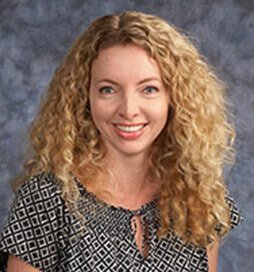
Dr. Jennifer Shoquist is board certified in Family Medicine. Her special interest is woman’s health and her practice accepts patients from 6 years old to seniors. Dr. Shoquist received her M.D. degree at The University of Texas Medical School at Houston in Houston, Texas, and did her residency with Memorial Family Practice at memorial Southwest Hospital in Houston, Texas.
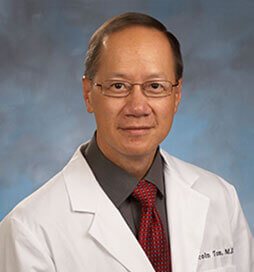
Dr. Tom is a board certified family medicine physician and native Californian. He received his bachelors of science with great distinction in biochemistry and honors in chemistry. Dr. Tom was awarded a Regents Scholarship to attend medical school at UC Irvine.
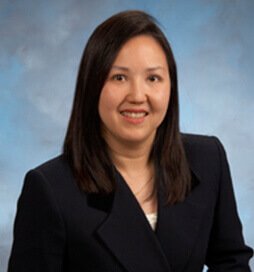
Dr. Yan attended Kirksville College of Osteopathic Medicine and completed her Family Practice residency at Kern Medical Center in Bakersfield, California. She joined Family Care Center in 2001. She chose Family Practice because she enjoys working with a wide variety of people and because it provides a unique opportunity for continuing care.